

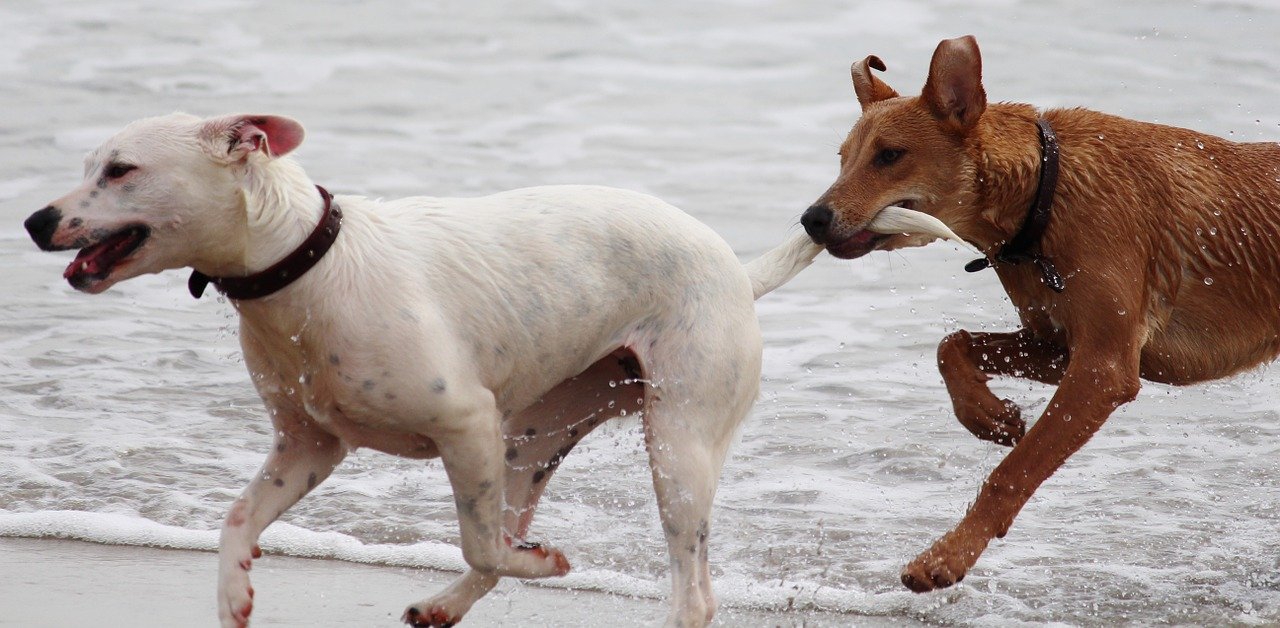
When you begin training dogs, raising a canine companion can feel a lot like raising a toddler. The love, patience, and structured guidance they require are very similar. Just as we want our children to grow up well-behaved, pet parents hope for behavioral consistency in their dogs. The path to a well-mannered pet can have challenges, but consistency makes the process smooth. In this guide, we address the top behavior questions to help you build a stronger bond with your dog.
At a Glance: Vetting stats for Dog Behavior Studies


To establish solid habits, professional canine experts emphasize behavioral conditioning based on positive reinforcement. In my years of shelter rescue, I have consistently found that physical punishment fails to teach positive habits. Instead, it creates anxiety. According to guidelines from the RSPCA UK, positive reward-based methods are the most effective way to shape long-term canine behaviors.
1. How do I stop my dog from begging for table scraps?
Begging behavior is a classic example of response reinforcement. If your dog successfully obtains food from the dining table even once, they associate begging with a reward. To stop this habit, you must apply the process of extinction. This means ignoring the behavior completely. Do not give eye contact, talk to, or feed your pet during meals. Within a few weeks, your dog will realize that begging does not produce food and will stop.
2. My puppy seems overly dominant. How do I make them friendly?
True dominance is rare in young puppies. What looks like dominant behavior is usually excess energy or a lack of mental stimulation. In my experience, providing structured interactive play can resolve these behaviors. Avoid exhausting exercises that strain their developing bones. Instead, focus on clicker tricks and obedience games that keep their brain active.
3. What is clicker training and how does it work?
Clicker training is a form of marker training. The clicker is a small device that makes a sharp sound. By clicking at the exact moment your dog performs a desired action and immediately following it with a high-value treat, your dog associates the sound with success. Dogs have an associative memory window of about 1.3 seconds, so timing is critical. Use premium training treats like real dried liver or chicken breast pieces to make the rewards highly appealing.
4. How do I teach my dog to walk on a loose leash?
To reduce leash pulling, change your walking direction frequently. This forces your dog to focus on you for guidance rather than pulling forward. Reward good walking behavior with premium treats that you do not offer at home, such as small bits of freeze-dried beef. For more tips on pet handling, refer to our detailed guide on understanding dog behaviour.
5. How do I choose the right puppy for my lifestyle?
Every dog has a unique personality, but energy levels are largely breed-dependent. High-energy breeds like Labrador Retrievers require significant daily exercise. If you live in an apartment, a low-energy breed or an older shelter rescue might be a better fit. Make sure to source puppies from ethical breeders who perform genetic health testing, as genetics play a major role in canine temperament.
6. How do I handle separation anxiety in my new dog?
Teach your puppy to spend brief periods alone while you are in another room. Crate training is highly effective for this, as it gives your dog a safe place to rest. Never force your dog into the crate as punishment. Instead, make it appealing by placing safe chew toys or durable puzzle treats inside to keep them occupied.
7. Is crate training necessary for all dogs?
While not strictly mandatory, crate training provides a secure environment that simplifies house training and reduces anxiety. A crate should feel like a cozy den. Place comfortable bedding and high-quality durable chews inside to build positive associations. This den-like environment prevents destructive behavior when you are away.
8. How important is socialization for adult dogs?
Socialization is important, but forcing interactions can cause fear and aggression. It is completely normal for some dogs to prefer not playing with others. The goal is neutral behavior in public settings. If your dog exhibits severe leash reactivity or lunging, consult a professional positive-reinforcement behaviorist rather than forcing them into dog parks.
9. What is the best collar for training my dog?
A standard flat collar or a front-clip harness is ideal for most training scenarios. We strongly discourage the use of pinch collars, choke chains, or shock devices. Positive reinforcement is safer and more effective. A front-clip harness naturally redirects forward pulling without placing pressure on the trachea.
10. Can you train an older rescue dog?
Yes. Dogs of any age are capable of learning new behaviors. While older dogs might require more patience to undo long-standing habits, their focus is often superior to that of young puppies. Use highly aromatic rewards to keep them motivated, and keep training sessions short and positive. For additional tips on caring for rescue dogs, see our guide on dog grooming at home.
Frequently Asked Questions
How long should a training session last?
Keep sessions short, ideally 5 to 10 minutes, twice a day. This keeps your dog engaged and prevents mental fatigue.
What should I do if my dog ignores a command?
Do not repeat the command. Decrease the distractions around you, guide your dog to succeed, and reward them to reinforce the behavior.
Should I feed my dog before or after training?
Train your dog before their regular meal. A slightly hungry dog is much more motivated to work for training treats.
How do I stop my puppy from nipping my hands?
Redirect the nipping onto a safe chew toy. If they continue, pause the interaction and step away for a brief time-out.
Can I train my dog without using food treats?
Yes. While food is a powerful motivator, you can use toys, verbal praise, or access to the outdoors as rewards.
This article is for informational purposes only. Always consult a licensed veterinarian or certified canine behaviorist for your pet’s specific training and behavioral needs.
 7+ yrs
Canine First Aid Trainer & Rescue Volunteer
Canine First Aid & Heat-Stroke PreventionJack Harrison is a canine first aid trainer and veteran rescue volunteer based in Melbourne, Australia. He specializes in emergency canine triage, heatstroke prevention in hot climates, and community dog shelter rehabilitation.

