

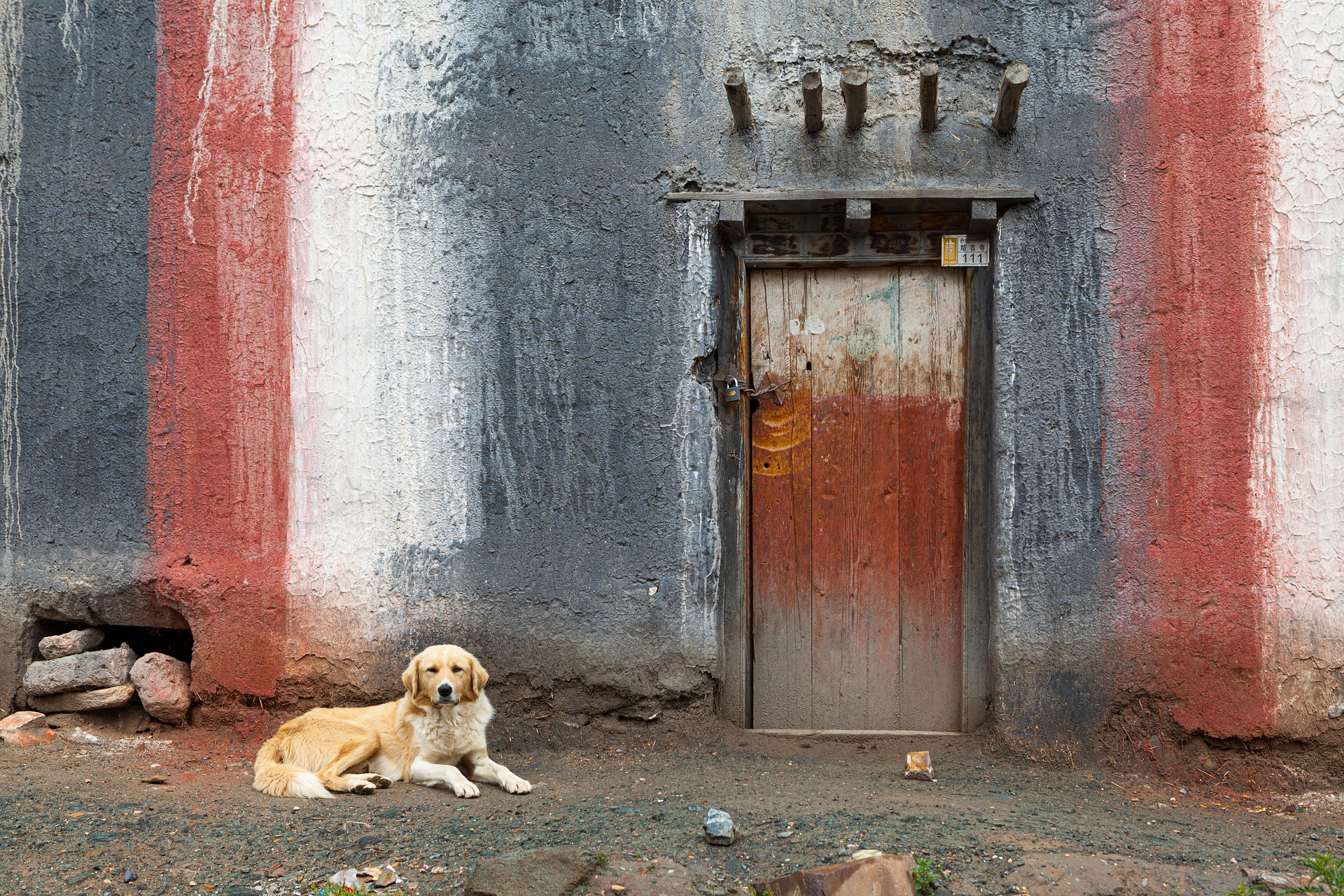
Making a shelter for street dogs in India is one of the most useful things you can do for them, and it costs less than ₹500. The bigger challenge isn’t money. It’s the weather.
A 49°C summer in Rajasthan. A monsoon that turns a sleeping spot into a river. A December night in Delhi that drops to 5°C. Most street dogs survive all three seasons with no shelter at all, just a piece of open ground.
When I first started feeding street dogs in my neighborhood, I thought food was enough. Then the first monsoon came, and I watched the family of dogs near our gate huddle under a broken scooter at 3 AM in the pouring rain. That night, I started researching how to make a proper shelter for street dogs using materials I could actually find in India. Not a ₹5,000 timber doghouse from Amazon. Just things anyone can get.
This guide is the result of that research and a few years of trial and error. Everything here can be built in 30 to 60 minutes with things you already have or can buy for under ₹500.
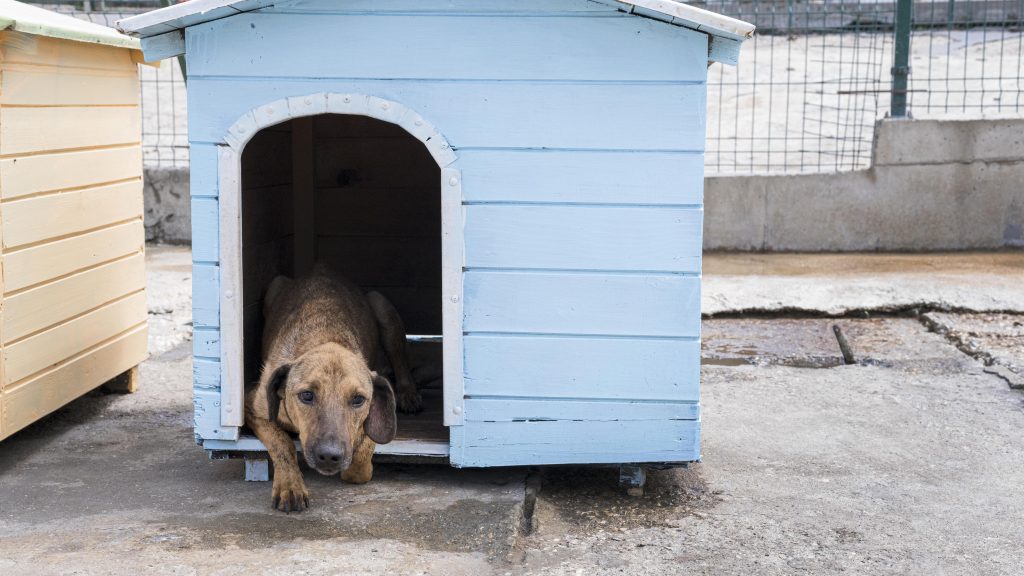
Why Street Dogs in India Need Shelter More Than You Think
India’s climate is extreme in all directions. Street dogs don’t have the thick double coat of Siberian Huskies or the heat adaptation of desert animals. The Indian Pariah dog (INDog) is hardy, but being hardy doesn’t mean immune to heatstroke, hypothermia, or monsoon lung infections.
Here’s what actually happens without shelter:
- Summer (April to June): Ground temperatures in Indian cities can hit 60°C on exposed asphalt. Dogs burn their paw pads, suffer heatstroke, and die. Puppies especially.
- Monsoon (June to September): Wet fur, cold mud, and zero ventilation lead to respiratory infections. Parvo spreads rapidly in wet conditions. A litter of 6-week-old puppies can be wiped out in 3 to 4 days.
- Winter (November to February): Northern India winters kill more street dogs than most people realise. Old dogs and puppies under 12 weeks are the most vulnerable.
A simple shelter addresses all three. And you don’t need NGO funding to build one.
Best Materials for Street Dog Shelter in India (Start With ₹0 Costs)
All of these are available at your local hardware store, kabadi market, or online.
Cardboard boxes Cost: Free (from shops, Amazon deliveries) Best for: Emergency shelters, winter insulation layers Limitation: Not waterproof. Use with a tarpaulin cover.
Plywood sheet (6mm to 12mm) Cost: ₹200 to ₹500 per sheet Best for: Main structure walls and roof base Where to buy: Local timber shop, any city
Tarpaulin sheet (blue or green) Cost: ₹150 to ₹350 (6×4 feet size) Best for: Monsoon-proof roofing This is the single most important material for rain season. Buy one. Keep it.
Jute bags / gunny bags Cost: ₹20 to ₹50 each Best for: Bedding, insulation, winter warmth Indian street dogs naturally sleep on these. They know what’s comfortable. Most rice shops and grain stores give old gunny bags away for free. Just ask.
PVC pipes (1 inch diameter, 2 feet length) Cost: ₹80 to ₹150 for 4 pieces Best for: Building an A-frame shelter structure when there’s no wall to lean against. Buy from any plumbing shop. Pro tip: PVC doesn’t rust, absorb water, or rot. It outlasts wood in monsoon conditions.
Thermocol sheets Cost: ₹80 to ₹200 Best for: Wall insulation in winter, keeps warmth in
Plastic drum or fibre barrel Cost: ₹200 to ₹500 (second-hand from sabzi mandi) Best for: Ready-made instant shelter. Drill ventilation holes, cut an entry, done in 20 minutes.
Old clothes or cotton bedding Cost: ₹0 Best for: Bedding layer under the dog in all seasons

How to Make a Monsoon Shelter for Street Dogs: Step by Step
According to the Animal Welfare Board of India (AWBI), stray dogs are most at risk from respiratory infections during the monsoon season. A waterproof shelter with dry bedding reduces this risk significantly.
What you need:
- 1 tarpaulin sheet (6×4 ft minimum), about ₹250
- 4 to 6 bricks or stones
- 2 plywood sheets (2×2 ft each), about ₹150
- Jute bags or old clothes for bedding, free
- Rope or wire to secure the tarpaulin, about ₹30
Total cost: ₹430 or less
Step 1: Choose the Right Spot
Find a spot that meets these conditions:
- Against a wall, for natural backwind protection
- Elevated slightly above surrounding ground (even 3 to 4 inches of elevation prevents water entry)
- Away from open drains, since monsoon overflow is unpredictable
- Sheltered from the direction of prevailing rain in your city (in Mumbai, rain comes from the west; in Delhi, from the southwest)
Time: 5 minutes
Step 2: Build the Raised Base
Stack 2 bricks on each side (4 total) to raise the plywood floor off the ground. Place a plywood sheet across the bricks. This single step prevents roughly 80% of the wet-floor problem that gives dogs respiratory infections.
The floor should sit 4 to 6 inches above ground level, but not higher. Old dogs find it hard to jump.
Time: 5 minutes
Step 3: Create the Roof Frame
Lean a second plywood sheet at a 45-degree angle against the wall behind the base. This becomes your sloping roof. The slope matters: a flat roof collects water and collapses under heavy monsoon rain.
If you don’t have a wall to lean against, tie two PVC pipes in a tent shape over the base using rope, then drape the tarpaulin over them.
Time: 10 minutes
Step 4: Waterproof With Tarpaulin
Drape the tarpaulin over the angled roof so it extends 6 to 8 inches beyond the sides. Secure the edges with stones or rope tied to bricks. The tarpaulin should hang down on 3 sides: left, right, and back. Leave the front 60% open so the dog can enter and see out.
Never seal all 4 sides. Dogs refuse fully enclosed spaces. They need to see outside to feel safe.
Time: 10 minutes
Step 5: Add Bedding
Place dry jute bags or old cotton clothes inside on the raised platform. Add a second layer if available. Replace bedding every 2 weeks during monsoon, because wet bedding is the main cause of skin infections.
Time: 2 minutes
Step 6: Let the Dog Discover It
Don’t push a dog into a new shelter. Place food near the entrance for 2 to 3 days. Dogs are territorial and will investigate on their own. Once they sleep in it once, it becomes theirs.
Time: 2 to 3 days of patience
Total build time: 30 to 35 minutes. Cost: under ₹500.
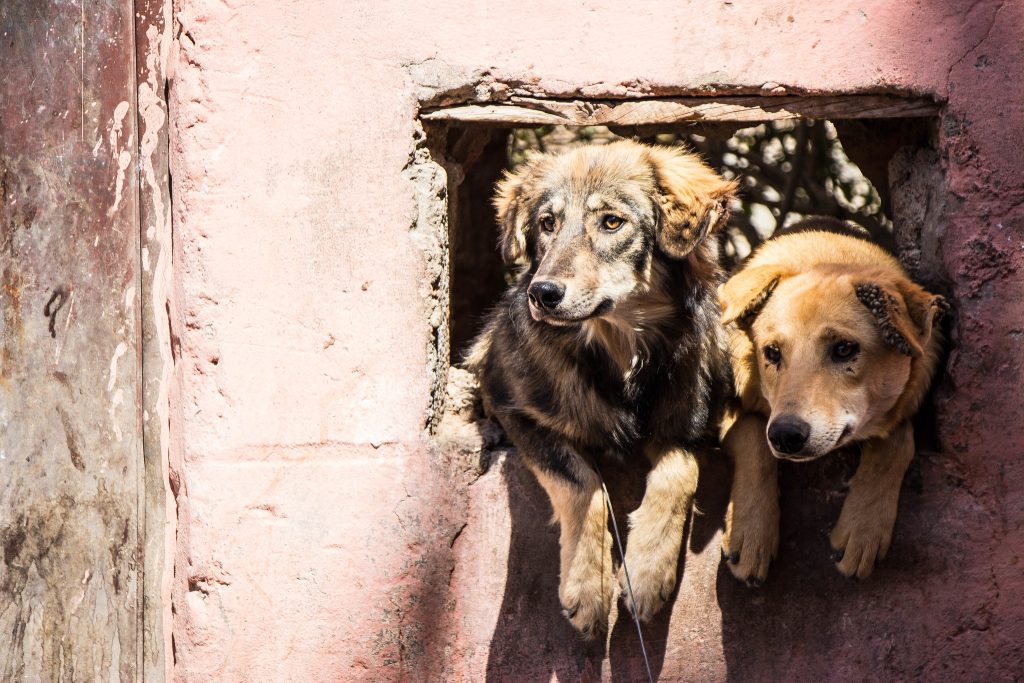
How to Keep Street Dogs Cool in Indian Summer (40°C+ Heat)
Summer shelter is different from monsoon shelter. The goal isn’t waterproofing. It’s shade and air movement.
The biggest mistake people make is building a closed plywood box in summer. A closed shelter in 45°C heat becomes an oven. Dogs will refuse it.
What works in summer:
Raised shade structure: Tie a tarpaulin or old sari horizontally between two trees or poles at 4 to 5 feet height. This creates shade without blocking airflow. Dogs naturally lie under shade and don’t need an enclosed space.
Clay pot with water nearby: Place a wide clay pot (matka) filled with water next to the shade. Clay pots keep water cool through evaporation, which is the only natural cooling available to street dogs.
Mud spot: If possible, create a small mud area (damp soil) near the shade. Dogs cool themselves by lying on mud because it pulls body heat faster than any other surface.
What to avoid:
- Metal sheets as roofing, since they absorb heat and make the shelter hotter than being in open sun
- Fully enclosed spaces
- Placing the shelter in east-facing positions, since direct morning sun heats it up by 9 AM
Best placement for summer: North-facing or against a building’s north wall. The building provides shade for most of the day.
How to Keep Street Dogs Warm in Indian Winter
Northern India covers Delhi, Punjab, Haryana, UP, Rajasthan, and Himachal Pradesh, and it gets genuinely cold in winter. Delhi drops to 3 to 5°C in January. Amritsar can touch 1°C. Jaipur hits 5°C regularly. Puppies under 3 months can die at these temperatures without warmth. Older street dogs with arthritis suffer significantly even at 10°C.
Simple winter warmth additions:
Layer up the bedding: Stack jute bags 3 to 4 layers thick inside the monsoon shelter. Old wool sweaters or blankets work best, the kind you were going to donate anyway.
Thermocol insulation: Tape thermocol sheets to the inside walls of the shelter. This alone raises the internal temperature by 4 to 6°C. It’s the same principle as insulating a house: it stops heat from escaping through the walls.
Close one side: Unlike summer, winter shelters benefit from having 3 sides partially closed. Leave only the entry open, and make it small, just big enough for the dog to enter. A small entry keeps cold air out.
Old clothes on top of the dog: If the dog trusts you, gently place an old sweater over them while they sleep. Many street dogs that are used to humans actually welcome this. Don’t force it.
Electric heating pads: Some cities sell pet-safe heating pads for under ₹400. If you’re caring for a litter of young puppies in January or February, this is worth the investment.
Where to Place the Shelter: Indian Street Reality
Indian streets are not like parks in Western countries. You’re working with narrow lanes, foot traffic, Municipality workers who may remove shelters, shopkeepers who may object, monsoon drain overflow, and auto-rickshaw and bike traffic.
Practical placement tips for Indian streets:
- Ask the nearby shopkeeper’s permission. One conversation prevents 10 removals. Most people are fine with a small shelter near a wall if it’s kept clean.
- Place it near a building’s boundary wall, not at the center of the footpath, so it’s less likely to be disturbed.
- Keep it clean. A shelter with regularly changed dry bedding gets no complaints. A wet, smelly shelter gets removed by the Municipality.
- If you live in a building with a compound, the corner near the gate is ideal: protected, low foot traffic, and easy for you to maintain.
- Avoid placing under trees during monsoon, since falling branches and excess dripping are real problems.
Frequently Asked Questions About Street Dog Shelters in India
How do I make a shelter for street dogs in the rain without spending much money?
The cheapest effective rain shelter costs under ₹300. Raise a plywood floor on bricks (₹150), cover it with a tarpaulin tied to the wall (₹150), and add free cardboard or old clothes for bedding. This works through most Indian monsoons.
What can I use as bedding for street dogs in India?
Old jute bags (gunny bags) are the best and cheapest option. Most supermarkets and rice shops give them away. Old cotton clothes, dhobi-washed towels, and thin cotton blankets also work well. Avoid synthetic materials because they don’t breathe and can cause skin irritation.
Can I use plastic bags to make a street dog shelter?
Avoid single-use plastic sheets as roofing. They tear in one strong monsoon wind. A proper tarpaulin (tarpal) from any hardware shop lasts 2 to 3 monsoon seasons and costs ₹150 to ₹350.
What should I feed a street dog I am caring for?
Plain roti with a spoonful of ghee is fine as a daily staple. Add boiled rice, leftover sabzi (without onions, garlic, or spices), and occasional egg. Avoid biscuits as the main food since they have too much sugar and salt. Read our complete guide on feeding Indian street dogs for full nutrition details.
How do I keep the shelter clean during monsoon?
Replace bedding every 10 to 14 days. Lift the shelter occasionally to dry out the ground underneath. Sprinkle neem powder around the base to repel fleas and ticks. This is a natural, India-specific method that works well and is safe for dogs.
Will the municipality remove my shelter for street dogs?
AWBI guidelines support the feeding and sheltering of community dogs. Under the Animal Birth Control (ABC) Rules 2023, residents can legally care for community dogs, including providing shelter. If your shelter is neat, against a wall, and not blocking traffic, there is generally no legal issue. Print a small sign with your contact number and AWBI guidelines if you face objections.

Conclusion
The street dogs in your area aren’t asking for a luxury kennel. They need three things: to stay dry in rain, shaded in summer, and warm in winter. Everything in this guide can be built with materials you already have or can buy for under ₹500.
Start with one shelter. Watch the dog that uses it. You’ll learn faster from watching them than from any guide.
If you’re already feeding and sheltering a street dog and want to take the next step, read our guide on how to adopt an Indian street dog and bring them home officially.
If you’re setting up care in your building compound, share this article with your neighbours. One more person involved means one more dog fed on the days you’re traveling.
 5+ yrs
Animal Welfare Advocate
Pet Enrichment & WelfareLiam Fletcher is a veterinary technician and rescue coordinator based in Yorkshire, UK. He is passionate about animal welfare legislation, shelter medicine, and the rewarding journey of rehoming street dogs.

