Table of Contents
Welcome to TommySingh.com, your trusted resource for expert pet advice! Understanding your cat’s unique language is one of the most rewarding aspects of pet ownership. Far from being aloof, our feline companions are masters of communication, using a rich tapestry of sounds to express their needs, emotions, and desires. As a pet expert, I’m here to help you decipher these fascinating messages, strengthening the bond you share with your beloved cat.
Before we dive into the fascinating world of cat vocalizations, let’s look at some important statistics regarding feline health and behavior:
Vetting Statistics Summary
| Category | Statistic | Source/Context |
|---|---|---|
| Cat Ownership in the US | Over 45 million households own cats. | American Pet Products Association (APPA) |
| Annual Vet Visits (Avg.) | 1.5 times per year for cats. | American Veterinary Medical Association (AVMA) |
| Behavioral Issues Reported | 25-30% of cat owners report behavioral concerns. | Veterinary Behaviorist Surveys |
| Importance of Communication | 90% of cat owners believe understanding their cat’s vocalizations improves their relationship. | Pet Owner Surveys |
| Average Lifespan of Domestic Cat | 12-15 years (indoor cats often live longer, up to 18-20 years). | Various Veterinary Sources |
These figures highlight the significant role cats play in our lives and the importance of ensuring their well-being, which starts with understanding how they communicate with us.
Decoding Your Feline Friend’s Language
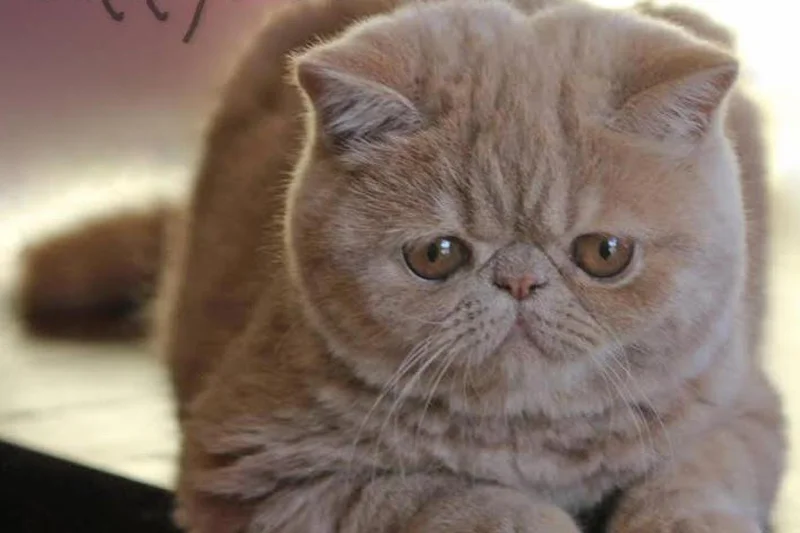
Cats communicate in sophisticated ways, blending vocalizations with intricate body language. To truly understand what your cat is trying to tell you, it’s crucial to consider the context of their sounds alongside their posture, ear position, tail movements, and eye contact. A meow can mean vastly different things depending on whether your cat is rubbing against your legs or standing stiffly with dilated pupils.
Every cat is an individual, and their vocal habits will vary. Some cats are naturally more talkative than others, while certain breeds, like Siamese, are renowned for their extensive vocabularies. Pay close attention to your specific cat’s patterns, and you’ll quickly become fluent in their unique dialect.
The 7 Common Cat Vocalizations Explained
1. The Meow (and its Variations)
The meow is perhaps the most famous cat vocalization, primarily used to communicate with humans. Adult cats rarely meow at each other; instead, they reserve this distinctive sound for their human companions. From a soft, questioning “mew” to a loud, demanding “MEOW!”, the meaning is always in the delivery and context.
- What it sounds like: Ranging from a soft “mew” to a loud, drawn-out “meow” or a sharp, insistent “MRAOW!”
- What it means:
- Greeting: A short, polite meow often means “Hello!”
- Attention-seeking: Persistent, louder meows usually mean “Look at me!” or “I want something!” This could be food, playtime, or cuddles.
- Demand: A long, drawn-out meow often signals a specific request, such as “Let me in!” or “Feed me now!”
- Complaint or Distress: A low-pitched, mournful meow can indicate discomfort, pain, or loneliness. An elderly cat with cognitive decline, for instance, might meow more frequently and mournfully, particularly at night.
- Happy Meow: Often accompanied by rubbing, purring, and a relaxed posture, this is a sign of contentment.
- What to do: Respond to your cat’s meows. Acknowledge greetings with a gentle word or pet. If your cat is demanding something, try to determine their need (food, water, litter box, playtime, attention). If the meowing seems excessive or distressed, consider a check-up with your veterinarian, especially if it’s a new behavior or accompanied by other symptoms. For example, a sudden increase in meowing could indicate hyperthyroidism, a common condition in older cats, which might cause a cat to lose weight even if they are eating well (e.g., dropping from 10 lbs / 4.5 kg to 8 lbs / 3.6 kg).
2. The Purr
The purr is arguably the most comforting sound a cat makes, a soft, rumbling vibration emanating from deep within their chest. While most often associated with contentment, purring can also be a complex communication tool.
- What it sounds like: A low, continuous rumble that can vary in intensity, sometimes barely audible, other times strong enough to feel.
- What it means:
- Contentment and Happiness: This is the most common interpretation. A cat purring while curled up on your lap, kneading, or being petted is typically expressing deep satisfaction.
- Self-Soothing or Healing: Cats may purr when they are injured, in pain, or giving birth. The frequency of a cat’s purr (between 25 and 150 Hertz) is believed to promote bone density and healing, making it a form of self-medication.
- Hunger/Request: Some cats develop a “solicitation purr,” which blends a normal purr with an uncomfortable cry or meow. This sound is often used specifically to ask for food and has been found to be particularly difficult for humans to ignore.
- Stress or Fear: Less commonly, a cat might purr to calm itself down in a stressful situation, such as during a vet visit.
- What to do: Enjoy a happy purr! Respond with gentle petting and verbal reassurance. If your cat is purring in a seemingly inappropriate context (e.g., during an injury or illness), observe for other signs of distress and consult your vet.
3. The Hiss
The hiss is an unmistakable warning sign in the feline world, a clear indication that a cat feels threatened and is prepared to defend itself. It’s an involuntary response to fear or aggression.
- What it sounds like: A sharp, sudden burst of air expelled through the mouth, often accompanied by spitting. It sounds much like a snake’s hiss.
- What it means:
- Fear and Threat: “Stay away! I’m scared and will defend myself if necessary.”
- Aggression: While primarily defensive, a hiss can escalate into an aggressive act if the threat persists.
- Pain: A cat in severe pain might hiss if touched in a sensitive area.
- What to do: Do not approach a hissing cat. Give them space and identify the source of their fear or agitation. If it’s another animal or a person, remove them. If your cat is hissing at nothing apparent or seems to be in pain, contact your veterinarian immediately. Trying to pick up or comfort a hissing cat can result in bites or scratches, as they are in a highly defensive state.
4. The Growl
Similar to a hiss, a growl is a serious warning that indicates a cat is feeling threatened, angry, or territorial. It’s often a precursor to an attack if the perceived threat doesn’t retreat.
- What it sounds like: A low, guttural rumble originating from deep in the chest, often accompanied by a hiss or flattened ears and a crouched posture.
- What it means:
- Anger or Irritation: “I’m very unhappy with this situation.”
- Territorial Defense: “This is my space/food/toy, and you need to leave it alone.” Often heard when cats are fighting or defending resources.
- Pain: Sometimes, a cat in severe pain may growl if handled, especially if the pain is acute (e.g., from an injury or severe arthritis, where movement might cause sharp discomfort in a cat weighing, for example, 15 lbs / 6.8 kg).
- What to do: Treat a growl with extreme caution. Do not engage or try to pacify a growling cat. Remove the stimulus causing the growl (e.g., another pet, a child, or a perceived threat). If the growling is directed at you, slowly back away and give the cat ample space to calm down. If growling is persistent or without clear cause, a vet visit is recommended to rule out underlying pain or illness.
5. The Trill or Chirp
These delightful, rolling sounds are often heard from mothers communicating with their kittens, and from adult cats communicating with their favorite humans or other friendly cats. They are generally positive vocalizations.
- What it sounds like: A short, melodic, rolling “prrrrt” or “mrrrp” sound. It’s a combination of a meow and a purr, but distinct.
- What it means:
- Greeting: “Hello there, friend!” or “Come here.” Often used when a cat wants to get your attention or guide you somewhere (e.g., to an empty food bowl).
- Affection: A sign of positive recognition and affection.
- Calling to Offspring: Mother cats use trills to gather their kittens, acting as a gentle summons.
- Excitement: Sometimes heard when a cat is happy or eager, like when you come home.
- What to do: Respond with a gentle greeting or petting. A trill is often an invitation for interaction, so take the opportunity to bond with your cat. Many cats will trill when you speak to them, creating a lovely back-and-forth conversation.
6. The Yowl or Howl
A yowl is a long, drawn-out, often mournful vocalization that typically signifies distress, pain, or a strong desire for something specific. It can be quite startling to hear.
- What it sounds like: A prolonged, loud, often piercing “AAOOO-OOO-OW!” or a wailing sound.
- What it means:
- Distress or Pain: A cat who is lost, trapped, or in significant pain might yowl loudly.
- Mating Call: Unspayed female cats in heat will yowl persistently to attract mates. Unneutered male cats might also yowl in response.
- Territorial Dispute: During cat fights, yowls often accompany hisses and growls.
- Cognitive Decline: Older cats with feline cognitive dysfunction (similar to dementia in humans) may yowl loudly and aimlessly, especially at night, due to disorientation or anxiety.
- Seeking Attention: In some cases, a cat may learn that a loud yowl gets an immediate human response.
- What to do: If your cat is yowling, it warrants immediate investigation. Check for signs of injury, being trapped, or distress. If it’s a mating call, consider spaying or neutering. If your senior cat is yowling, especially at night, consult your vet; there are medications and strategies to help manage cognitive decline. A cat suffering from urinary issues, for example, might yowl while trying to urinate due to discomfort, regardless of whether they are a kitten of a few pounds (under 1 kg) or an adult cat of 10-15 lbs (4.5-6.8 kg).
7. Chattering
Chattering is a peculiar, rapid jaw movement often accompanied by a distinct vocalization. It’s a fascinating display of a cat’s predatory instincts.
- What it sounds like: A rapid, almost stuttering sound, often described as “kek-kek-kek” or “ack-ack-ack,” with rapid jaw movements.
- What it means:
- Frustration/Excitement: Cats typically chatter when they spot prey (like a bird or squirrel) outside a window but cannot reach it. It’s believed to be an expression of predatory excitement combined with frustration.
- Practice Kill Bite: Some experts suggest it’s an involuntary reflex, a “practice” of the killing bite that cats use to snap the necks of their prey.
- What to do: Observe and appreciate this unique behavior! There’s no need to intervene, as it’s a natural expression of your cat’s instinct. You might redirect their energy with an indoor play session to satisfy their hunting drive.
Beyond Sound: Observing Body Language
Remember that vocalizations are only one piece of the puzzle. A cat’s body language provides crucial context. A purr can mean contentment, but if accompanied by flattened ears and a crouched posture, it might indicate fear. A meow can be a friendly greeting, but if followed by a stiff tail and intense stare, it could signal agitation. Always observe your cat’s entire demeanor for a complete understanding of their message.
- Ears: Forward and relaxed (content), flattened (fear/aggression), swiveling (alert/curious).
- Tail: Held high (confident/happy), tucked low (fearful), lashing (agitated), bottle brush (terrified).
- Eyes: Soft gaze (relaxed), wide pupils (fear/excitement), narrowed (irritated/aggressive).
- Posture: Rubbing against you (affection), crouched low (fear/hunting), arched back (defensive).
When to Consult Your Veterinarian
While understanding common vocalizations is helpful, significant changes in your cat’s vocal patterns should always prompt a call to your veterinarian. This includes:
- Sudden increase in vocalization: This could indicate pain, discomfort, hyperthyroidism, high blood pressure, or cognitive decline.
- Sudden decrease or cessation of vocalization: A normally talkative cat who becomes silent could be ill or in pain.
- Changes in the sound of their voice: A raspy meow or sudden hoarseness might indicate a respiratory issue.
- Yowling or growling without apparent cause: This needs immediate investigation to rule out pain or serious illness.
Regular veterinary check-ups (at least once a year for adult cats, twice for seniors) are essential to catch potential health issues early, ensuring your cat’s overall well-being. Your vet, an expert in feline health, can help diagnose and address any underlying medical conditions contributing to changes in vocal communication.
Building a Stronger Bond Through Communication
By taking the time to listen and observe, you’re not just understanding your cat; you’re actively engaging with them. Respond to their meows, acknowledge their purrs, and give them space when they hiss. This consistent, thoughtful interaction builds trust and deepens the unique connection you share. Your cat learns that you hear them, that you understand their needs, and that you are their devoted companion. This mutual understanding truly enriches the experience of having a feline friend in your home.
Frequently Asked Questions (FAQs)
Why do adult cats meow at humans but not other cats?
Scientists believe that adult cats developed the meow primarily as a way to communicate with humans. Kittens meow at their mothers, but adult cats typically use other vocalizations like hisses, growls, and purrs to interact with each other. When they live with us, they adapt and learn that meowing effectively gets our attention and conveys their needs, essentially treating us like very large, sometimes slow-to-understand, parent figures.
Is my cat purring because it’s always happy?
While purring is most often associated with contentment and happiness, it’s important to remember that cats can also purr to self-soothe when they are stressed, fearful, or even in pain. The purr’s specific frequency is thought to have healing properties. Therefore, always observe your cat’s full body language and the context of the purr. If a purring cat also shows signs of discomfort (like hiding, flattened ears, or an unusual posture), a vet visit might be warranted.
My cat makes strange chattering noises when looking out the window. What does it mean?
This is a completely normal and fascinating feline behavior called “chattering.” Cats typically do this when they spot prey, such as birds or squirrels, outside a window but cannot reach them. It’s believed to be an expression of predatory excitement and frustration, a sort of involuntary “practice” for the killing bite they would use on actual prey. It’s a natural instinctual display and nothing to worry about.
What should I do if my cat suddenly starts to yowl frequently, especially at night?
A sudden increase in yowling, particularly from an older cat, is a strong indicator that something is wrong and warrants immediate veterinary attention. It could be a sign of pain, disorientation from feline cognitive dysfunction (dementia), hyperthyroidism, high blood pressure, or even a simple need like a clean litter box or fresh water. Your vet can diagnose the underlying issue and recommend appropriate treatment or management strategies, ensuring your cat’s comfort and well-being. For instance, a cat that previously weighed a healthy 11 lbs (5 kg) but is now yowling and has dropped to 9 lbs (4.1 kg) might be experiencing significant health changes.
My cat rarely makes a sound. Is that normal?
Yes, some cats are naturally less vocal than others, and this is completely normal. Just like humans, cats have individual personalities; some are chatterboxes, and others are quiet observers. As long as your cat is otherwise healthy, eating well, using the litter box normally, and showing positive body language, a quiet demeanor is simply part of their unique character. However, if a typically vocal cat suddenly becomes silent, it’s a good idea to consult your veterinarian to rule out any underlying health issues.
 8+ yrs
Feline Nutritionist & Behavior Consultant
Feline Nutrition & Indoor Cat CareChloe Campbell is a wildlife rehabilitator and feline nutrition consultant based in Ontario, Canada. She specializes in species-appropriate raw feeding, digestive health, and environmental enrichment for indoor cats.